
Introduction
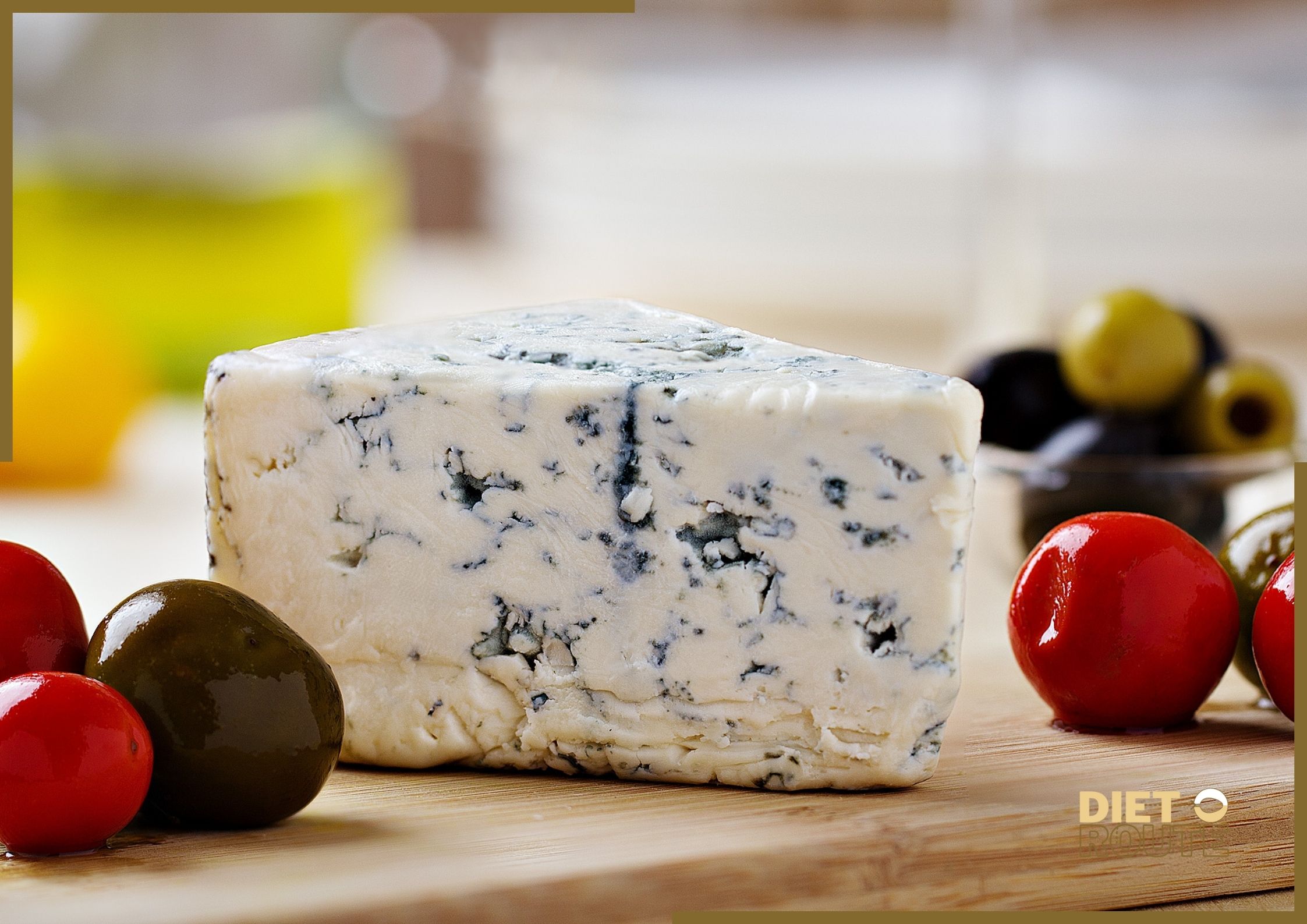
Blue cheese has a unique taste and is known for the blue veins running through it. It is used in many different types of food and has a rich past. It has nutritional content in addition to its unique taste. The nutritional content of blue cheese will be covered in this article, along with its benefits and drawbacks, as well as its role in a well-rounded diet.
Nutritional Value Approximately 100g
The values provided are approximate can vary depending on the size and quality.
| Nutrient | Amount | Percentage Daily Value |
| Calories | 353 kcal | 17% |
| Total Fat | 28 g | 43% |
| Saturated Fat | 17 g | 85% |
| Cholesterol | 77 mg | 26% |
| Sodium | 1397 mg | 58% |
| Carbohydrates | 2 g | 1% |
| Sugars | 0 g | – |
| Protein | 21 g | 42% |
| Calcium | 528 mg | 53% |
| Vitamin A | 952 IU | 19% |
Pros
1. Calcium-Rich:
Calcium is essential for maintaining strong bones and teeth, and blue cheese is a good source of it.
2. Protein:
It has a lot of protein, which is important for many bodily processes, like muscle repair and immune support.
3. Special Flavor:
The distinctive flavor of blue cheese adds depth and richness to dishes, making it a favorite among cheese lovers.
4. Vitamins and minerals:
It has vitamins like vitamin A and minerals like calcium, which add to the general nutritional intake.
Cons
1. High Sodium Content:
Individuals on a low-sodium diet or those with high blood pressure may be concerned about the relatively high sodium content of blue cheese. The key is moderation.
2. Fat and Saturated Fat:
Compared to some other types of cheese, It is higher in fat and saturated fat. It is important to consume it in moderation, especially for individuals with specific dietary requirements or health concerns.
3. Lactose intolerance:
It is made from cow’s milk and may have lactose in it. People who have lactose intolerance should be careful and think about other choices.
In a Nut Shell
Blue cheese has a unique flavor and nutritional value. It has a lot of calcium, protein, and other essential nutrients. Due to its high sodium content and fat content, it is important to consume in moderation. It can be a part of a healthy diet by taking into account each person’s dietary needs and health issues. Carefully add it to your meals, enjoying its unique taste while making sure your diet is nutritionally balanced.
Frequently Asked Questions (FAQs)
1. Can pregnant women consume blue cheese?
2. Are individuals with lactose intolerance suitable for blue cheese?
3. Does mold grow on blue cheese?
4. Can you cook with blue cheese?
5. Can you freeze blue cheese?
6. Are individuals with gluten intolerance safe when eating blue cheese?
7. Blue cheese does it need to be refrigerated?
To keep its freshness and stop the growth of germs, It should be refrigerated. Put it in a container that won’t let air in or tightly wrap it in plastic wrap.
8. Can allergies be caused by blue cheese?
9. Can blue cheese be a part of a diet that helps you lose weight?
10. How long does blue cheese stay good for?


Join the conversation