
Introduction
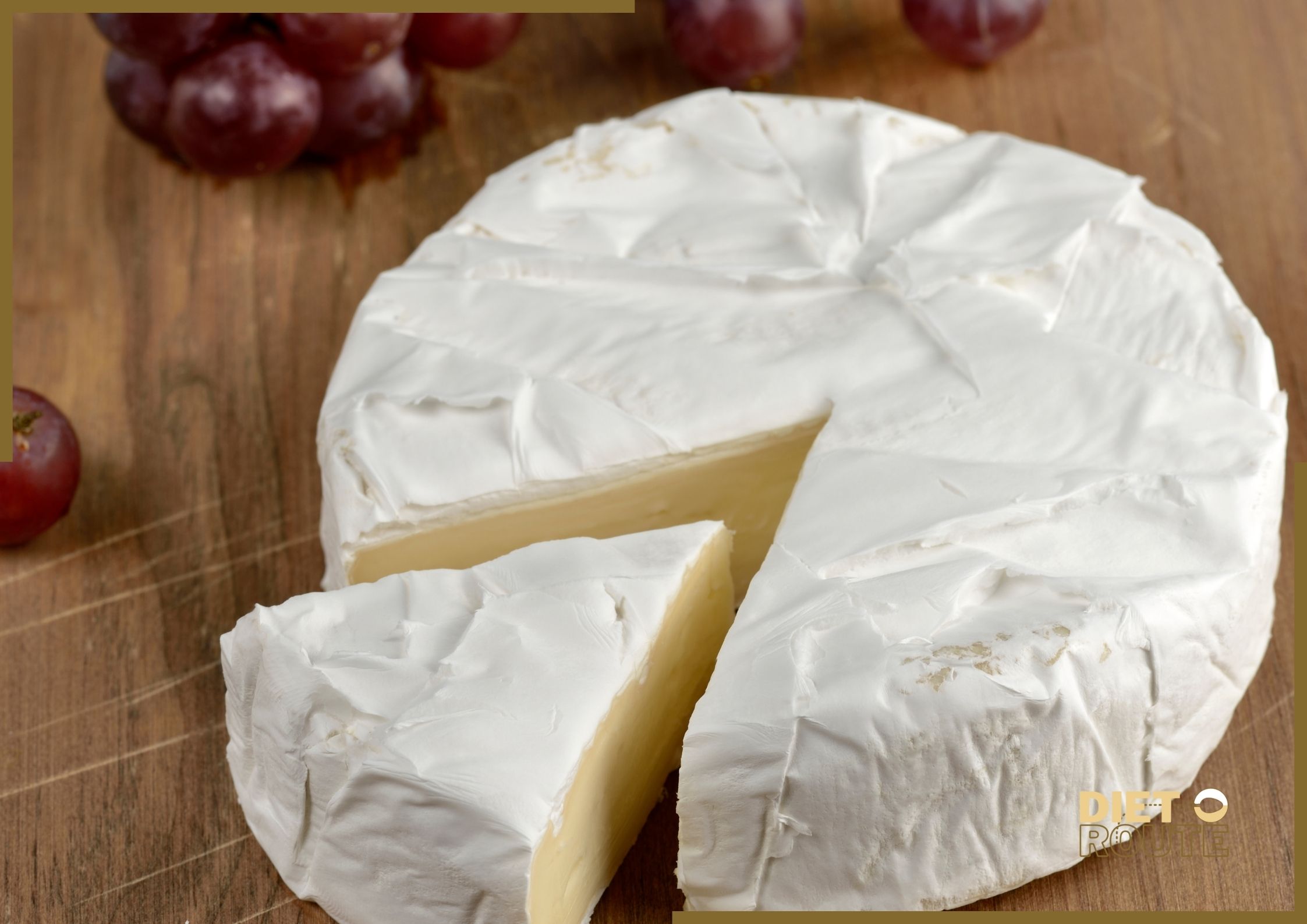
Brie cheese is a popular soft cheese that has a rich and creamy texture. It started in France, but cheese fans all over the world now enjoy it. In this article, we’ll look at the nutritional content, talk about its benefits and drawbacks, provide answers to common questions, and end with some thoughts on its role in a healthy diet.
Nutritional Value Approximately 100g
The values provided are approximate can vary depending on the size and quality.
| Nutrient | Amount | Percentage Daily Value |
| Calories | 334 kcal | 17% |
| Total Fat | 28 g | 43% |
| Saturated Fat | 18 g | 90% |
| Cholesterol | 100 mg | 33% |
| Sodium | 629 mg | 26% |
| Carbohydrates | 0.5 g | 0% |
| Sugars | 0.5 g | – |
| Protein | 21 g | 42% |
| Calcium | 184 mg | 18% |
| Vitamin A | 840 IU | 17% |
Pros
1. High in Protein:
Brie cheese is high in protein, which is essential for many bodily functions, such as muscle growth and repair.
2. Good Source of Calcium:
It has a good amount of calcium, which helps keep bones and teeth strong.
3. Vitamins and Minerals:
It has vitamins like vitamin A and minerals like calcium, which add to the nutritional value of the food.
4. Adaptable to Cooking:
It is versatile and can be enjoyed by itself, in sandwiches, melted on toast, or added to different recipes to add a creamy and savory ingredient.
Cons
1. High in Saturated Fat:
Brie cheese contains a lot of saturated fat, which, if consumed in excess, may cause health problems like high cholesterol levels. As part of a healthy diet, it’s important to consume it in moderation.
2. Sodium:
Individuals on a low sodium diet or with high blood pressure should monitor their intake of Brie cheese because it includes sodium.
3. Lactose intolerance:
It is made from cow’s milk and may have lactose in it. People who have lactose intolerance should be careful and think about other choices.
In a Nut Shell
Brie cheese has nutritional advantages in addition to its delicious taste. It is a good source of protein, calcium, and essential vitamins and minerals. Due to it’s high saturated fat content, it is important to consume it in moderation. It can be enjoyed as part of a balanced diet by taking into account individual dietary needs and health issues. You can get creative with how you use it in your meals and enjoy its creamy texture and delicate flavor while keeping a nutritional balance.


Join the conversation