
Introduction
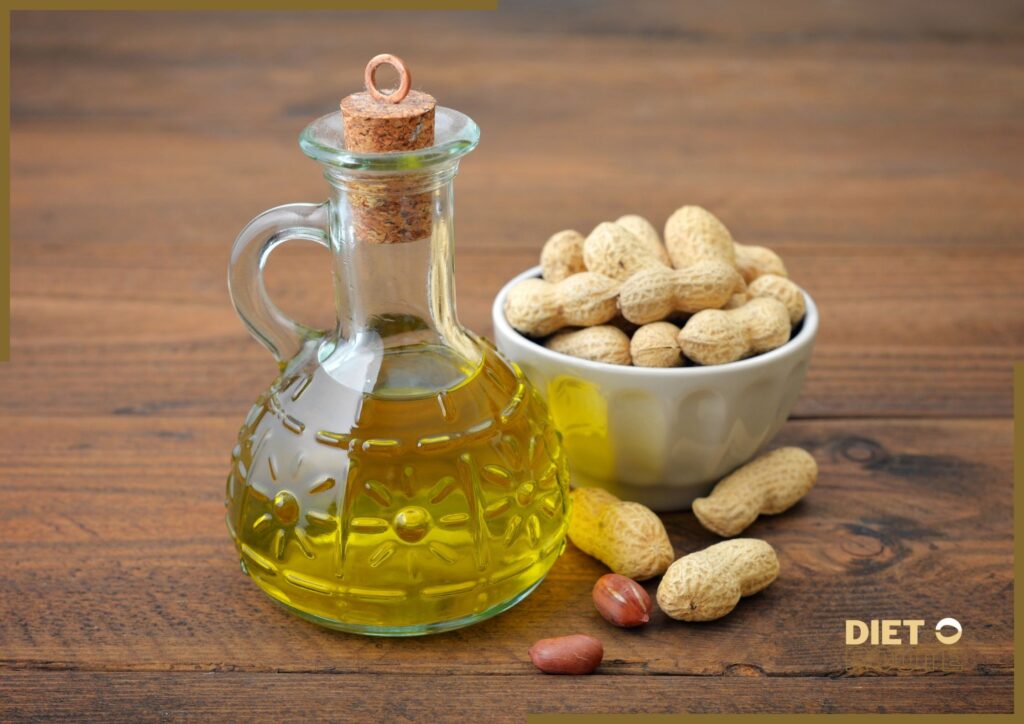
Edible peanut oil, which is derived from peanuts, is a widely used cooking oil that is renowned for its strong flavor and high smoke point. It is used a lot in Asian, African, and Middle Eastern cooking, and its versatility in frying and stir-frying is highly valued. This article will tell you everything you need to know about the nutritional content, including a table that shows how much of each nutrient it has per 100 grams. We will also talk about the pros and cons of eating peanut oil, answer some of the most common questions about it, and help you decide if you want to add it to your diet.
Nutritional Value Approximately 100g
| Nutrient | Amount Per Serving (1 tablespoon) | % Daily Value |
|---|---|---|
| Calories | 120 | 6% |
| Total Fat | 14g | 18% |
| – Saturated Fat | 2.3g | 12% |
| – Trans Fat | 0g | |
| Monounsaturated Fat | 6.2g | |
| Polyunsaturated Fat | 4.3g | |
| Cholesterol | 0mg | 0% |
| Sodium | 0mg | 0% |
| Total Carbohydrates | 0g | 0% |
| – Dietary Fiber | 0g | 0% |
| – Sugars | 0g | |
| Protein | 0g | 0% |
| Vitamin E | 8.3mg | 55% |
Pros
1. When consumed in moderation, edible peanut oil is rich in monounsaturated fats, which are good for your heart.
2. It is a good source of vitamin E, which is an antioxidant that helps the defense system work and keeps cells from getting hurt.
3. It has a high smoke point, making it suitable for cooking at high temperatures, like frying and stir-frying.
4. It has a unique nutty flavor that makes dishes taste more full and rich.
Cons
1. It is derived from peanuts, so individuals with peanut allergies may experience allergic reactions to it. If you have a peanut allergy, it is important to be careful and consult a medical professional.
2. It is a good source of omega-6 fatty acids, but too much of it without a balance of omega-3 fatty acids may contribute to inflammation. In the diet, it’s important to maintain a balance between these fatty acids.
Frequently Asked Questions (FAQ)
1. Is peanut oil suitable for cooking at a high temperature?
2. Is peanut oil safe for individuals with peanut allergies?
3. Is there cholesterol in peanut oil?
4. Is Peanut Oil Suitably Suitable for a Vegan Diet?
5. Is there a noticeable peanut flavor in peanut oil?
6. Can you store peanut oil for a long time?
7. Can this oil help reduce cholesterol?
8. Is there grain in this oil?
9. Can peanut oil make you gain weight?
10. Is it suitable for individuals who have a gluten allergy?
In A Nutshell
Edible peanut oil has a distinctive flavor and many health benefits. It has a high smoke point and is rich in heart-healthy fats and vitamin E, making it suitable for a variety of cooking techniques. It’s important to maintain a balance between omega-6 and omega-3 fatty acids, but individuals with peanut allergies should be careful. As with any dietary choice, it’s best to consult a doctor or trained dietitian for customized advice on adding peanut oil to your diet.


Join the conversation