
Introduction
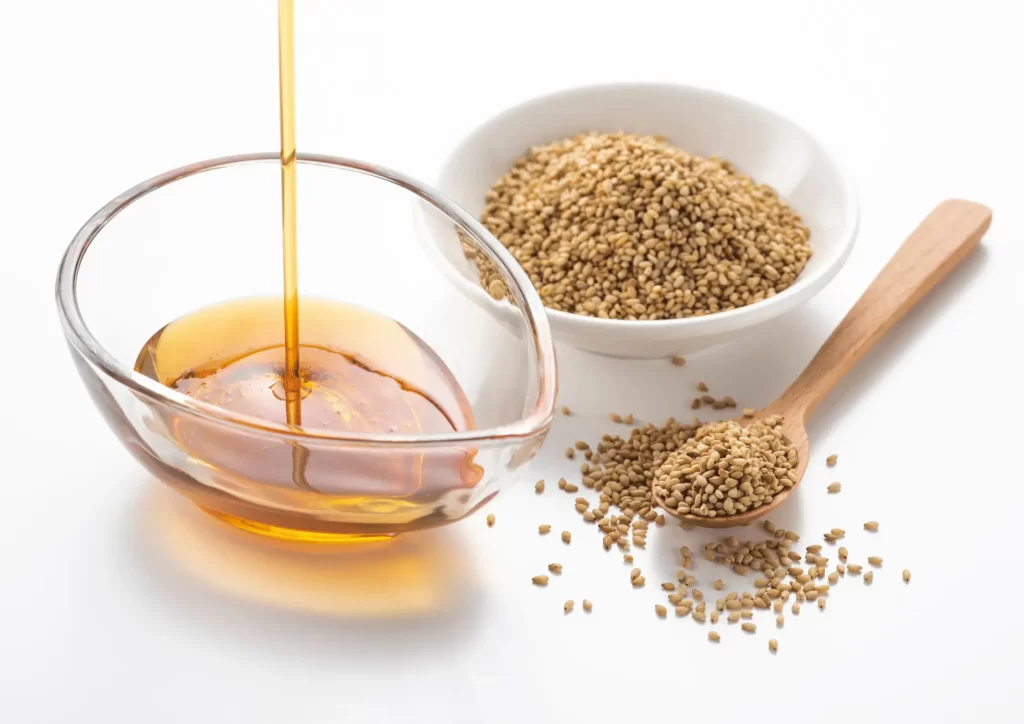
Edible sesame oil, extracted from sesame seeds, is a flavorful and aromatic oil widely used in cooking and traditional medicine. It is popular in Asian cuisines and valued for its distinct taste and health benefits. In this article, we will provide a comprehensive overview of the nutritional value, including a table showcasing its approximate composition per 100 grams. We will also explore the pros and cons, address frequently asked questions, and help you make informed decisions about incorporating it into your diet.
Nutritional Value Approximately 100g
| Nutrient | Amount Per Serving (1 tablespoon) | % Daily Value |
|---|---|---|
| Calories | 120 | 6% |
| Total Fat | 14g | 18% |
| – Saturated Fat | 2g | 10% |
| – Trans Fat | 0g | |
| Monounsaturated Fat | 6g | |
| Polyunsaturated Fat | 5g | |
| Cholesterol | 0mg | 0% |
| Sodium | 0mg | 0% |
| Total Carbohydrates | 0g | 0% |
| – Dietary Fiber | 0g | 0% |
| – Sugars | 0g | |
| Protein | 0g | 0% |
| Vitamin E | 1.4mg | 9% |
Pros
- Nutritional Profile: This oil is rich in healthy fats, antioxidants, and vitamin E, which can support heart health and promote healthy skin.
- Distinct Flavor: It has a unique nutty flavor that adds depth and aroma to dishes, making it a popular choice in various cuisines.
- Antioxidant Properties: It contains antioxidants, such as sesamol, which can help protect cells from oxidative damage.
- Versatile Uses: It can be used for cooking, dressings, marinades, and even as a flavorful finishing oil.
Cons
- High Calorie Content: It is calorie-dense, so it should be used in moderation, especially if you are watching your calorie intake.
- Allergenic Potential: Individuals with sesame seed allergies should avoid consuming sesame oil to prevent allergic reactions.
Frequently Asked Questions (FAQ)
1) Is sesame oil suitable for high-heat cooking?
2) Does sesame oil contain cholesterol?
3) Can sesame oil help lower blood pressure?
4) Is sesame oil rich in omega-3 fatty acids?
5) Can sesame oil be used for skincare?
6) Can sesame oil be stored for a long time?
7) Does sesame oil have a strong aroma?
8) Can sesame oil be used as a substitute for other oils?
9) Is sesame oil suitable for individuals with gluten intolerance?
10) Can sesame oil cause allergic reactions?
Conclusion
Edible sesame oil offers a unique flavor and a range of nutritional benefits. It is rich in healthy fats and vitamin E, making it a valuable addition to a balanced diet. However, moderation is key due to its high calorie content. Individuals with allergies to sesame seeds ought to avoid this oil. By understanding the nutritional content, pros and cons, and frequently asked questions, you can make informed decisions about incorporating it into your culinary repertoire. As always, consult with a healthcare professional or registered dietitian for personalized advice.


Join the conversation