
Introduction
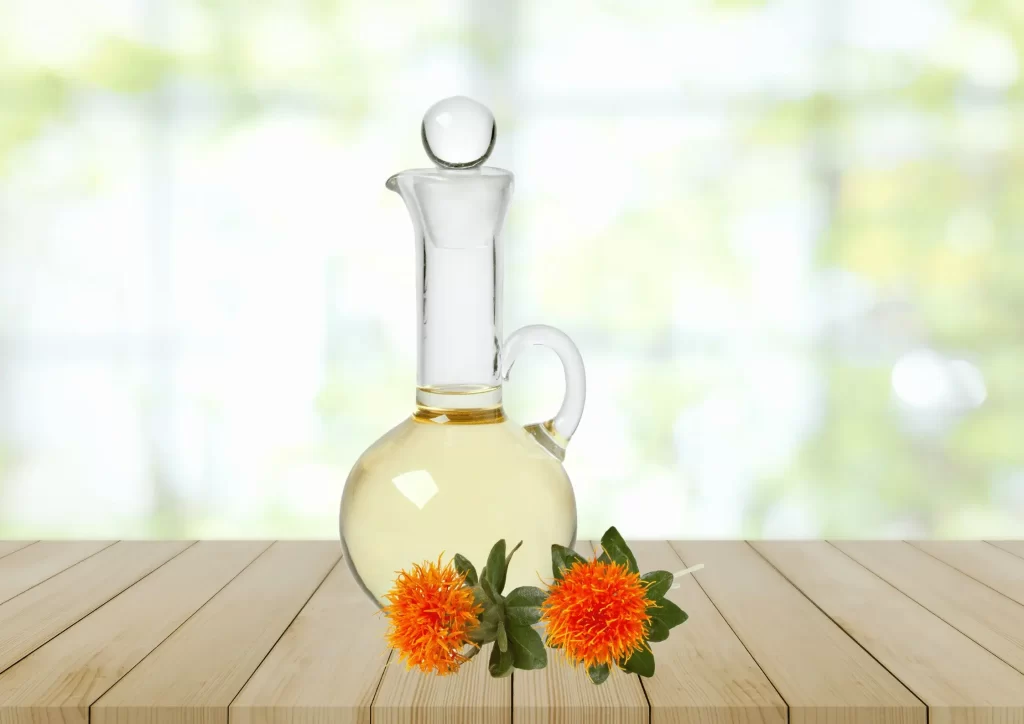
Edible safflower oil is a popular cooking oil derived from the seeds of the safflower plant. It is known for its mild flavor, versatility, and potential health benefits. In this article, we will provide a comprehensive overview of the nutritional content of edible safflower oil, including a table showcasing its approximate composition per 100 grams. We will also explore the pros and cons, address frequently asked questions, and help you make informed decisions about incorporating it into your diet.
Nutritional Value Approximately 100g
| Nutrient | Amount Per Serving (1 tablespoon) | % Daily Value |
|---|---|---|
| Calories | 120 | 6% |
| Total Fat | 14g | 18% |
| – Saturated Fat | 1g | 5% |
| – Trans Fat | 0g | |
| Monounsaturated Fat | 10g | |
| Polyunsaturated Fat | 2g | |
| Cholesterol | 0mg | 0% |
| Sodium | 0mg | 0% |
| Total Carbohydrates | 0g | 0% |
| – Dietary Fiber | 0g | 0% |
| – Sugars | 0g | |
| Protein | 0g | 0% |
| Vitamin E | 4.6mg | 31% |
Pros
- Heart-Healthy Fats: Edible safflower oil is high in monounsaturated and polyunsaturated fats, which may help reduce bad cholesterol levels and promote heart health.
- Omega-6 Fatty Acids: It is a rich source of omega-6 fatty acids, which play a crucial role in maintaining healthy cell function and supporting overall well-being.
- Versatile Cooking Oil: It has a high smoke point, making it suitable for various cooking methods, including frying, sautéing, and baking.
- Mild Flavor: It has a neutral taste that allows the natural flavors of ingredients to shine through in dishes.
Cons
- Limited Nutritional Content: While it contains healthy fats, it is relatively low in other essential nutrients, such as vitamins and minerals.
- High Calorie Density: Like all fats and oils, it is calorie-dense, so it should be used in moderation to avoid excessive calorie intake.
Frequently Asked Questions (FAQ)
1) Is safflower oil suitable for high-heat cooking?
2) Does safflower oil contain cholesterol?
3) Can this oil help with weight loss?
4) Is safflower oil a good source of vitamin E?
5) Can safflower oil be used in salad dressings?
6) Is safflower oil suitable for individuals with nut allergies?
7) Can safflower oil be refrigerated?
8) Is safflower oil suitable for vegetarian and vegan diets?
9) Can safflower oil be used for skincare?
10) Does safflower oil have a long shelf life?
Conclusion
Edible safflower oil is a versatile cooking oil that offers potential health benefits. It is rich in heart-healthy fats and contains omega-6 fatty acids. However, it should be consumed in moderation due to its high calorie content. Incorporating it into a balanced diet can enhance culinary experiences while providing potential health advantages. As always, consult with a healthcare professional or registered dietitian for personalized advice on incorporating into your diet.


Just want to say your article is as amazing. The clearness in your post is
simply cool and i could assume you’re an expert on this subject.
Fine with your permission allow me to grab your RSS feed tto
keep uup to date with forthcoming post. Thanks a million and please carry on the
rewarding work. https://Zeleniymis.com.ua/