
“Fitness that lasts is built quietly.” – Wellness Kraft
Introduction
Most people think cardio only counts if it hurts.
If you are not gasping, sweating aggressively, or watching the minutes crawl, it feels like you are “not doing enough.” So you push hard, get sore, get tired, skip days, and then start again with guilt. That cycle is common, and it is exactly why Zone 2 became a big conversation in fitness.
Zone 2 is not a shortcut. It is the opposite. It is a foundation.
It is the kind of training that does not impress anyone in the moment but quietly upgrades your body’s engine. And when your engine improves, everything gets easier: fat loss, recovery, stamina, even your ability to tolerate stress.
If you want a cardio method you can actually sustain for months, not days, Zone 2 is one of the smartest options.
What Zone 2 Actually Means
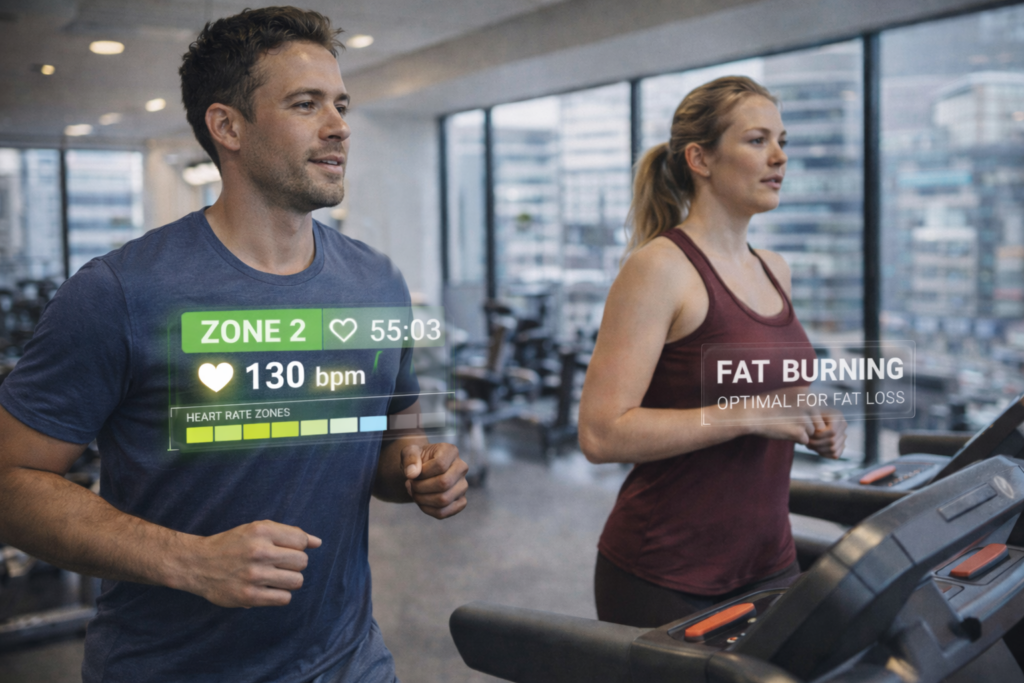
Zone 2 is a moderate intensity where your body relies heavily on aerobic metabolism. In simple terms, it is the “steady, controlled” pace where you are working, but you are not suffering.
You are not sprinting. You are not crawling. You are moving with purpose.
This is usually the zone where:
- You can speak in full sentences, but you would not want to sing.
- Your breathing is deeper, but not panicked.
- You feel like you could keep going for a long time.
People call it “conversational pace,” and that is a good practical definition.
Why Zone 2 Helps with Fat Loss
Fat loss still depends on overall calorie balance, but Zone 2 supports the process in a few powerful ways.
First, it is easy to repeat. The best fat loss workout is the one you can do consistently without breaking your life. Zone 2 does not punish you, so you can accumulate more weekly activity without feeling destroyed.
Second, it improves your metabolic flexibility. Over time, your body becomes better at using fat as a fuel during steady activity. That does not mean Zone 2 “melts fat magically.” It means your system becomes more efficient, and many people find this reduces cravings and improves energy stability.
Third, it reduces the “I trained hard so now I am starving” effect. Very intense cardio can spike appetite and fatigue, especially when people are already stressed and underslept. Zone 2 is less likely to trigger that rebound for many people.
Why Zone 2 Supports Longevity
Longevity in fitness is not only about living longer. It is about living better while you are alive.
A strong aerobic base is associated with:
- Better cardiovascular efficiency
- Better stamina for daily tasks
- Better recovery between workouts
- Better stress resilience
- Better energy in the day, not only in the gym
Zone 2 builds a system that supports everything else you do. Even if you lift weights, play sports, or do high-intensity intervals, your aerobic base helps you recover and perform better.
People who rely only on intense workouts often burn out. People who build a base usually last.
The Most Common Mistake: Going Too Hard
The biggest Zone 2 mistake is turning it into Zone 3.
Zone 3 feels productive because it is harder. But it is also the zone where you often accumulate fatigue faster than you build sustainable endurance.
Zone 2 should feel almost boring. That is not a failure. That is the point.
If you finish a Zone 2 session and feel like you could have done more, you probably did it correctly.
A Story That Explains Why It Works
David wanted fat loss and “better stamina,” but his routine was always the same: he would try intense workouts three to four times a week, then crash. His legs would feel heavy, his sleep would be worse, and he would skip days. Then he would restart with even more intensity because he felt behind.
He changed one thing: he stopped treating cardio like a punishment.
He started doing Zone 2 walking on an incline or cycling at a steady pace, four days a week for 35 to 45 minutes. No hero sessions. No “destroy yourself” mentality.
The first week, he felt suspicious. It felt too easy. By week three, his resting energy improved. By week six, he noticed his cravings were calmer, his sleep was steadier, and his weekend “random activity” stopped exhausting him.
He did not change because Zone 2 was dramatic. He changed because it was repeatable. It finally matched the pace of real life.
How to Find Your Zone 2 Without Overthinking
You do not need fancy lab testing. Use simple methods.
The Talk Test (best for most people)
Zone 2 feels like this:
- You can talk in full sentences.
- You are breathing deeper.
- You are working, but still controlled.
If you cannot speak a full sentence, you are too high.
Heart Rate Estimate (useful, not perfect)
Many people use heart rate zones based on maximum heart rate estimates. This is not exact for everyone, but it can guide you.
A common range used for Zone 2 is roughly 60% to 70% of max heart rate. If you want accuracy, the talk test often beats obsession with numbers.
The “Nose Breathing” Clue
Some people can nose-breathe in Zone 2, or at least mostly. If you are mouth-breathing heavily, you may be pushing beyond Zone 2.
What Zone 2 Looks Like in Real Life
Zone 2 can be:
- Brisk walking (flat or incline)
- Cycling
- Light jogging (for trained people)
- Rowing at a steady pace
- Swimming at a steady pace
- Elliptical or stair machine at controlled effort
If you are a beginner, walking is enough. Do not underestimate walking done consistently.
If you are fitter, Zone 2 might require a jog or a stronger pace to reach the zone.
How Much Zone 2 Should You Do Each Week?
A practical starting plan for most people:
- 3 sessions per week
- 30 to 45 minutes each
- Keep it truly conversational
Then build slowly:
- Add 5 to 10 minutes per session every 1 to 2 weeks, or
- Add a 4th session when you can recover well
If your goal is fat loss and health, you do not need extreme volume. You need consistency for months.
Zone 2 Plus Strength Training (the best combo for most people)
If you can do both, this pairing is powerful:
- Zone 2 builds the engine.
- Strength training builds the frame.
A simple weekly structure:
- 2 to 3 strength sessions
- 3 Zone 2 sessions
- 1 full rest day or gentle walking day
This is realistic, sustainable, and very effective.
Key Takeaways
- Zone 2 is steady, conversational cardio that builds your aerobic base.
- It supports fat loss mainly by being repeatable, improving energy stability, and increasing weekly movement.
- It supports longevity by improving cardiovascular efficiency, recovery, and stamina for daily life.
- The most common mistake is going too hard and turning Zone 2 into a fatigue-heavy middle zone.
- Start with 30 to 45 minutes, three times per week, and build gradually.
Research Insight
Zone 2 aligns with widely used “moderate intensity” aerobic training guidelines, which emphasize consistent weekly activity for heart health, metabolic health, and long-term fitness. Heart rate targets and talk-test style intensity checks are commonly recommended for staying in a safe, sustainable training zone. Aerobic fitness is also strongly associated with lower risk of cardiovascular disease and better health outcomes over time.
https://www.heart.org/en/healthy-living/fitness/fitness-basics/target-heart-rates
https://www.cdc.gov/physical-activity-basics/guidelines/adults.html
https://www.mayoclinic.org/healthy-lifestyle/fitness/in-depth/exercise-intensity/art-20046887
https://www.nhlbi.nih.gov/health/heart-health/physical-activity
https://www.acsm.org/education-resources/trending-topics-resources/physical-activity-guidelines
FAQs
1) If Zone 2 feels easy, am I wasting time?
No. Easy in the moment does not mean useless. Zone 2 is designed to build a sustainable aerobic base. The results show up as better stamina, better recovery, and improved ability to handle harder workouts without burning out.
2) Will Zone 2 burn belly fat?
Zone 2 supports fat loss, but it does not “target” belly fat. Belly fat reduces when overall fat reduces, and that depends on nutrition, sleep, stress, and consistent activity. Zone 2 helps because it is easy to repeat and it improves your overall metabolic health.
3) Can I do Zone 2 every day?
Many people can, especially if it is walking or cycling at a controlled intensity. The key is keeping it truly moderate. If you are constantly sore, exhausted, or your sleep worsens, your intensity is probably too high or your recovery is too low.
4) What is better: Zone 2 or HIIT?
Both have benefits. HIIT can improve performance quickly but is more stressful and harder to recover from. Zone 2 builds a base and is easier to sustain. For most people, the best plan uses Zone 2 as the foundation and adds HIIT occasionally if desired.
5) How long before I notice results?
Many people notice better daily energy and improved stamina within 3 to 6 weeks if they do it consistently. Fat loss changes depend heavily on nutrition and total activity, but Zone 2 often makes those habits easier to maintain.
Concluding Thoughts
Zone 2 is not trendy because it is flashy. It is trending because it works with real life.
If you have been stuck in the “all or nothing” loop, Zone 2 gives you a third option: steady, repeatable progress. Start small, stay consistent, keep the intensity honest, and let the engine upgrade happen quietly.




Join the conversation