
Introduction
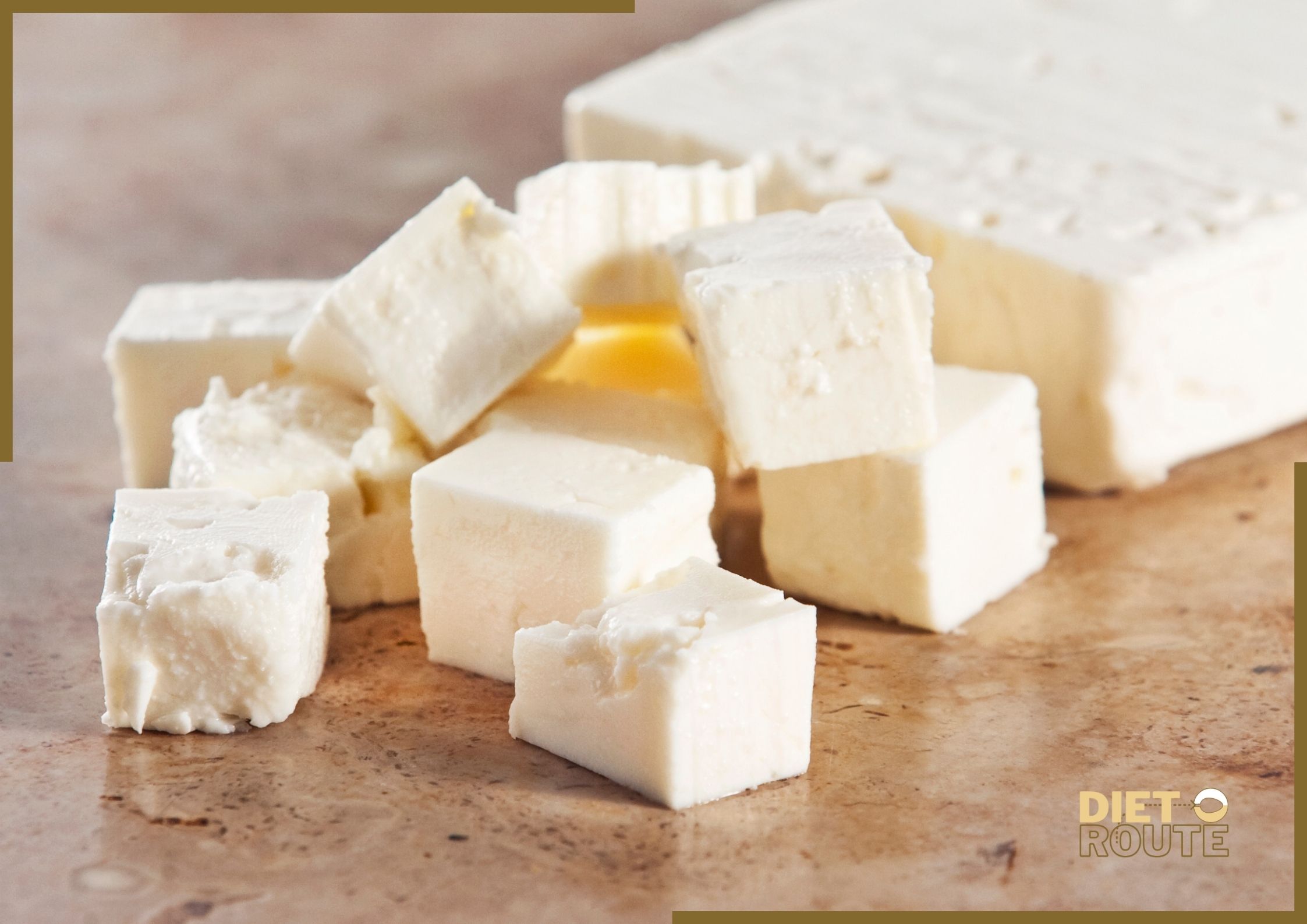
A well-known cheese variety that comes from Greece is called feta. Feta cheese is a versatile ingredient that is used in salads, pastries, and many Mediterranean recipes. It has a tangy taste and a crumbly texture. It has nutritional advantages in addition to giving food a delicious taste. In this article, we’ll look at the nutritional value, talk about its benefits and drawbacks, address some common queries, and end with some thoughts on its role in a well-rounded diet.
Nutritional Value Approximately 100g
The values provided are approximate can vary depending on the size and quality.
| Nutrient | Amount | Percentage Daily Value |
| Calories | 264 kcal | 13% |
| Total Fat | 21 g | 32% |
| Saturated Fat | 14 g | 70% |
| Cholesterol | 89 mg | 30% |
| Sodium | 1116 mg | 47% |
| Carbohydrates | 4 g | 1% |
| Sugars | 4 g | – |
| Protein | 14 g | 28% |
| Calcium | 493 mg | 49% |
| Vitamin B12 | 1.8 µg | 30% |
Pros
1. Good Source of Protein:
Feta cheese has a good amount of protein, which is important for muscle growth, repair, and the way the body works as a whole.
2. High in calcium:
It is high in calcium, which helps to build strong bones and teeth and plays an important role in nerve and muscle movements.
3. High in nutrients:
It has important nutrients like vitamins A and B12, calcium, and zinc, which are good for your health and well-being as a whole.
4. Less Lactose:
It has a relatively low lactose content, making it a potential option for individuals with lactose intolerance, though individual tolerance may vary.
Cons
1. High Sodium Content:
Individuals on a low-sodium diet or with high blood pressure should consume feta cheese in moderation because it is relatively high in sodium.
2. Lots of saturated fat:
Like other kinds of cheese, Feta cheese has saturated fat. When you eat too much saturated fat, your risk of getting heart disease may go up.
3. Foodborne Illness:
There is a risk of contracting a food-borne sickness because feta cheese is typically made with milk that has not been pasteurized. It’s important to get information from reliable sources and store and handle it the right way.
In a Nut Shell
A balanced diet can include feta cheese, a tasty and healthy variety of cheese, in moderation. It has protein, calcium, and other important nutrients, but its high sodium and saturated fat level should be taken into account. People with certain dietary restrictions or health problems should talk to a doctor or a trained dietitian to figure out the best way to add to their diet. You can enjoy the unique taste of this cheese while getting its nutritional benefits by making smart decisions and watching your amount sizes.


Join the conversation