
Introduction
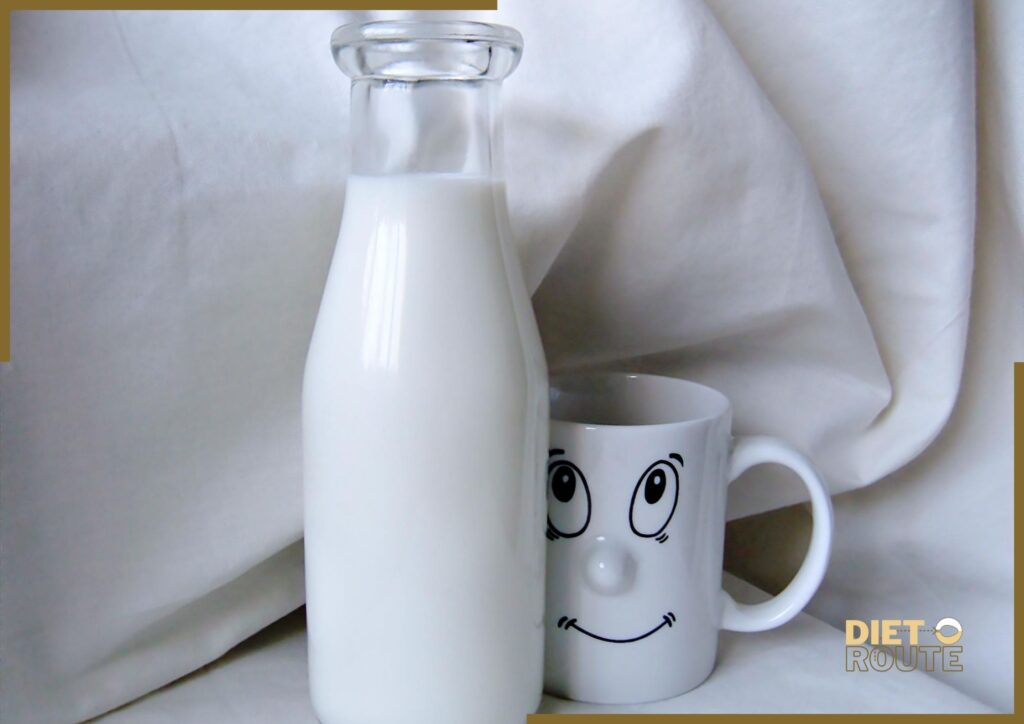
Individuals looking for a nutritious and lighter option to whole milk frequently choose low-fat milk. Low-fat milk has fewer calories and fat than regular milk, but it still has many important nutrients. Individuals can make more educated choices about their diet and overall health by understanding the nutritional value of low-fat milk. In this piece, we’ll talk about the significance of low-fat milk’s nutritional makeup, its benefits and drawbacks, and how it fits into a healthy diet.
Nutritional Value Approximately 100g
The values provided are approximate can vary depending on the size and quality.
| Nutrient | Amount | Percentage Daily Value |
| Calories | 50 kcal | 2% |
| Total Fat | 1.5 g | 2% |
| Saturated Fat | 1 g | 5% |
| Cholesterol | 5 mg | 2% |
| Sodium | 45 mg | 2% |
| Carbohydrates | 5 g | 2% |
| Sugars | 5 g | – |
| Protein | 3.5 g | 7% |
| Calcium | 120 mg | 12% |
| Vitamin D | 100 IU | 25% |
| Vitamin B12 | 1 µg | 17% |
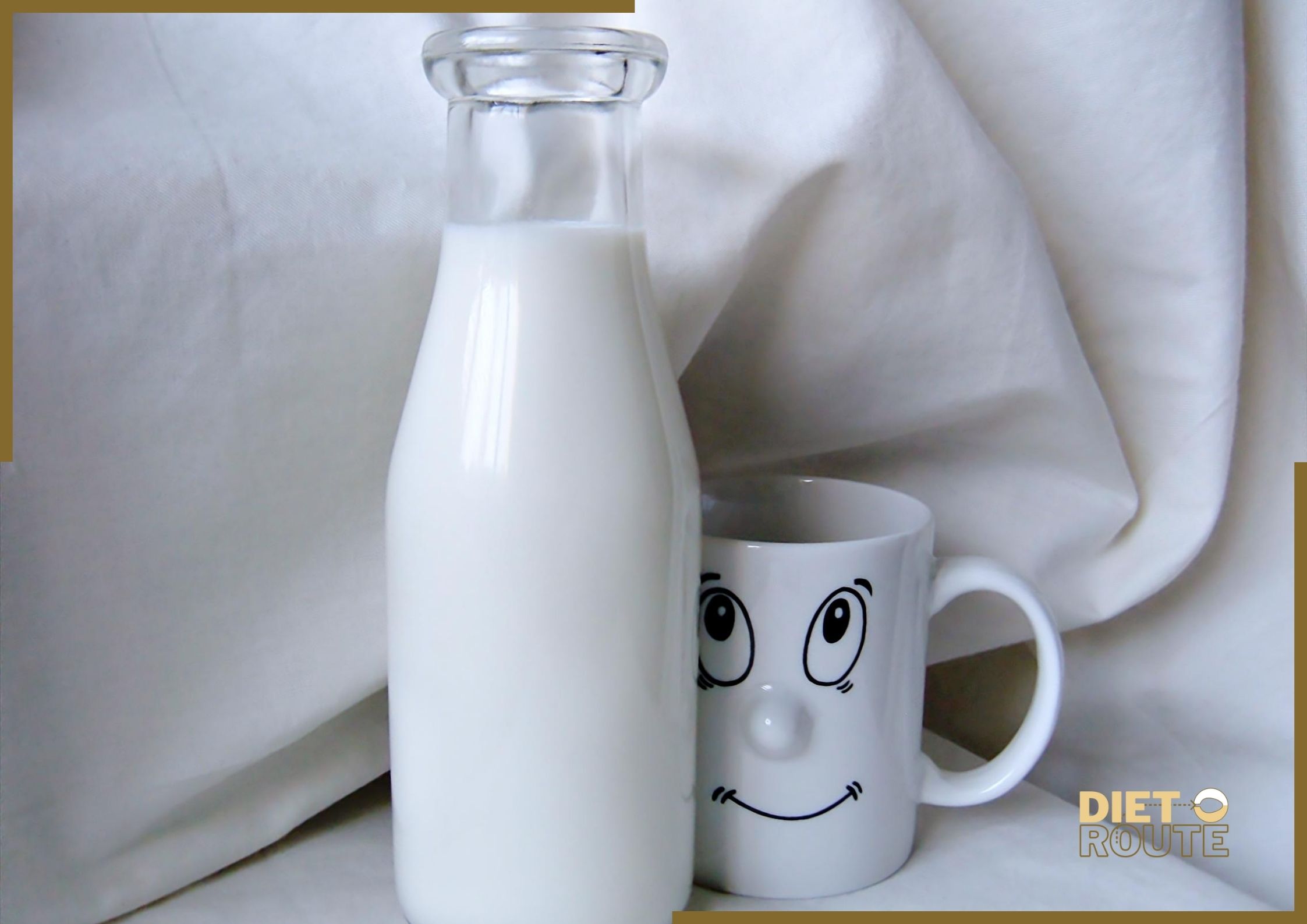
Low fat milk should be kept in the refrigerator at temperatures below 40°F (4°C) to keep it fresh and stop it from going bad. It’s important to check the expiration date and eat the food within the suggested time range.
Individuals who prefer or need non-dairy milk alternatives can choose from options like almond milk, soy milk, oat milk, and coconut milk. Each choice has its own nutritional profile, so it’s important to read labels and choose options that meet your own dietary needs.
When compared to skim milk, low fat milk has a slightly higher fat content, but it is still lower than whole milk. Most of the fat has been taken out of skim milk. The lowest-fat dairy product is skim milk, which is lower in calories and fat.
Pros
1.Nutrient-rich:
Low-fat milk has important nutrients like calcium, protein, vitamin D, and vitamin B12 that are good for your health and well-being as a whole.
2. Weight Management:
Low-fat milk can help individuals who are trying to control or cut back on their calorie intake because it has a lower calorie and fat content than whole milk.
3. Heart Health:
Low-fat milk is good for your heart because it has less saturated fat than whole milk, which may increase your risk of heart disease.
4. Calcium Source:
Low fat milk continues to be a good calcium source, promoting strong bones and teeth and reducing the risk of osteoporosis.
Cons:
1.Taste and Texture:
Because the reduced fat content affects the richness and creaminess, some individuals may find the taste and texture of low-fat milk slightly different from whole milk.
2. Vitamin D Absorption:
The lower fat content in low fat milk may have an impact on the absorption of vitamin D that is fat-soluble. However, low fat milk’s enhanced vitamin D content helps make up for this possible worry.
3. Lactose intolerance:
People who can’t digest lactose may still feel bad after drinking low fat milk because it still has lactose in it. In these situations, it may be better to use something other than milk.
In a NutShell
Low fat milk is a healthier and lighter alternative to whole milk. It provides important nutrients while being lower in calories and fat. Low fat milk is a good addition to a healthy diet because it can help you lose weight, keep your heart healthy, and get enough calcium. Individual dietary requirements and health conditions, however, should be considered.
Individuals can make well-informed decisions about including low fat milk in their diet while maintaining overall health and well-being by understanding the nutritional value, weighing the pros and cons, and addressing commonly asked questions.
For personalized advice on your unique dietary needs, make sure to consult a health care professional or a registered dietitian.


Join the conversation