
Introduction
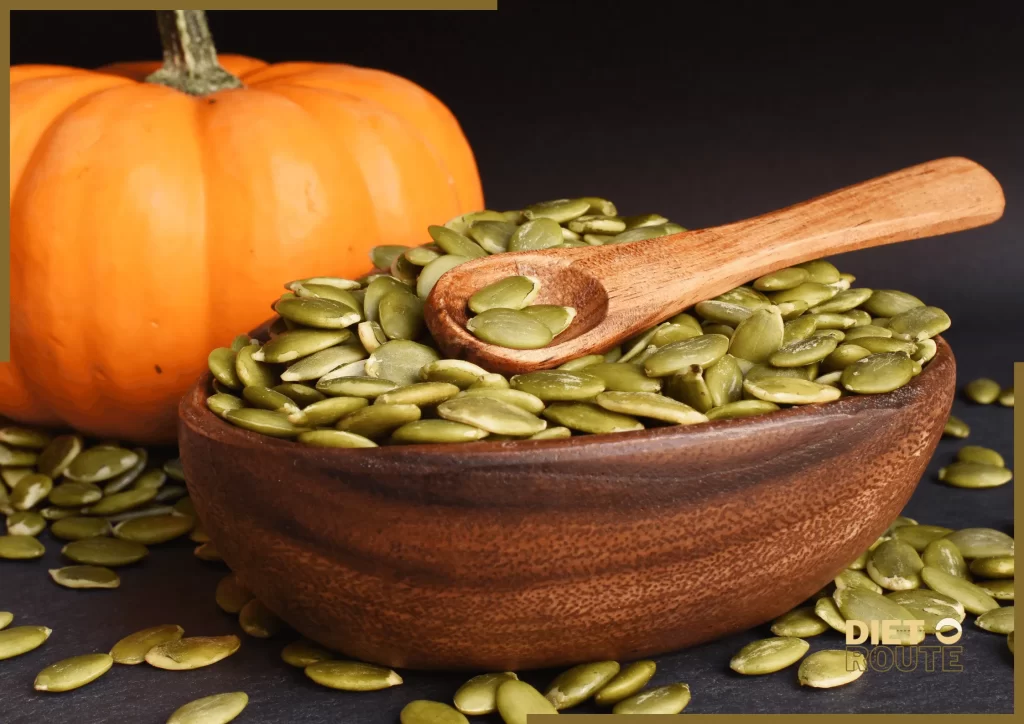
Pepitas, or pumpkin seeds, are a highly nutritious and delicious snack option. These are nutrient-dense foods that contain healthy fats, protein, fiber, vitamins, and minerals. This article provides a detailed analysis of the nutritional value. It includes a comprehensive table that breaks down the various nutrients found in these seeds, as well as a discussion of their advantages and disadvantages. Additionally, common questions are answered, and the importance of including them in a healthy diet is emphasized.
Nutritional Value Approximately 100g
The values provided are approximate can vary depending on the size and ripeness.
| Nutrient | Amount | % Daily Value |
| Calories | 574 | 29% |
| Total Fat | 49 g | 76% |
| Saturated Fat | 8.7 g | 44% |
| Trans Fat | 0 g | – |
| Cholesterol | 0 mg | 0% |
| Sodium | 7 mg | 0% |
| Potassium | 919 mg | 26% |
| Total Carbohydrate | 10.7 g | 4% |
| Dietary Fiber | 6 g | 24% |
| Sugars | 1.4 g | – |
| Protein | 30 g | 60% |
| Vitamin C | 1.9 mg | 3% |
| Calcium | 46 mg | 5% |
| Iron | 8.8 mg | 49% |
| Magnesium | 592 mg | 148% |
| Phosphorus | 1233 mg | 123% |
*Percent Daily Values (% DV) are based on a 2,000-calorie diet.

Pros
1.Pumpkin seeds are packed with essential nutrients, including protein, healthy fats, fiber, vitamins (such as vitamin K and vitamin E), and minerals (such as magnesium, iron, zinc, and phosphorus).
2. These seeds are rich in antioxidants, which help protect the body against oxidative stress and promote overall well-being.
3. The combination of healthy fats, fiber, and antioxidants in these seeds may support heart health by reducing cholesterol levels and improving overall cardiovascular function.
4. These seeds contain various nutrients, such as zinc and vitamin E, that play a role in supporting a healthy immune system.
5. These seeds have been associated with promoting prostate health in men due to their high zinc content.
Cons
1.Pumpkin seeds are calorie-dense, so portion control is necessary, especially for individuals watching their calorie intake.
2. Some individuals may have an allergic reaction to pumpkin seeds. If you have a known seed allergy, it’s important to avoid consuming these seeds or consult with a healthcare professional.
Frequently Asked Questions (FAQs)
1. Are pumpkin seeds suitable for individuals with nut allergies?
2. Can pumpkin seeds aid in weight loss?
3. Are pumpkin seeds a good source of magnesium?
4. Can pumpkin seeds improve sleep quality?
5. Are roasted pumpkin seeds as nutritious as raw ones?
6. Can pumpkin seeds help regulate blood sugar levels?
7. Are pumpkin seeds safe to consume during pregnancy?
8. How can I incorporate pumpkin seeds into my diet?
9. Can pumpkin seeds go bad?
10. Where can I buy pumpkin seeds?
These seeds are readily available in most grocery stores, health food stores, and online retailers.
In a Nut Shell
Pumpkin seeds are a nutrient-dense food that can make a valuable addition to a healthy diet. With their impressive nutritional profile, including protein, healthy fats, fiber, vitamins, and minerals. These seeds offer numerous health benefits. From supporting heart health and boosting the immune system to promoting prostate health and aiding in weight management, these versatile seeds have a lot to offer. Incorporate these seeds into your diet in moderation, considering the high calorie content, and enjoy their delicious taste and nutritional advantages.


Join the conversation