
Introduction
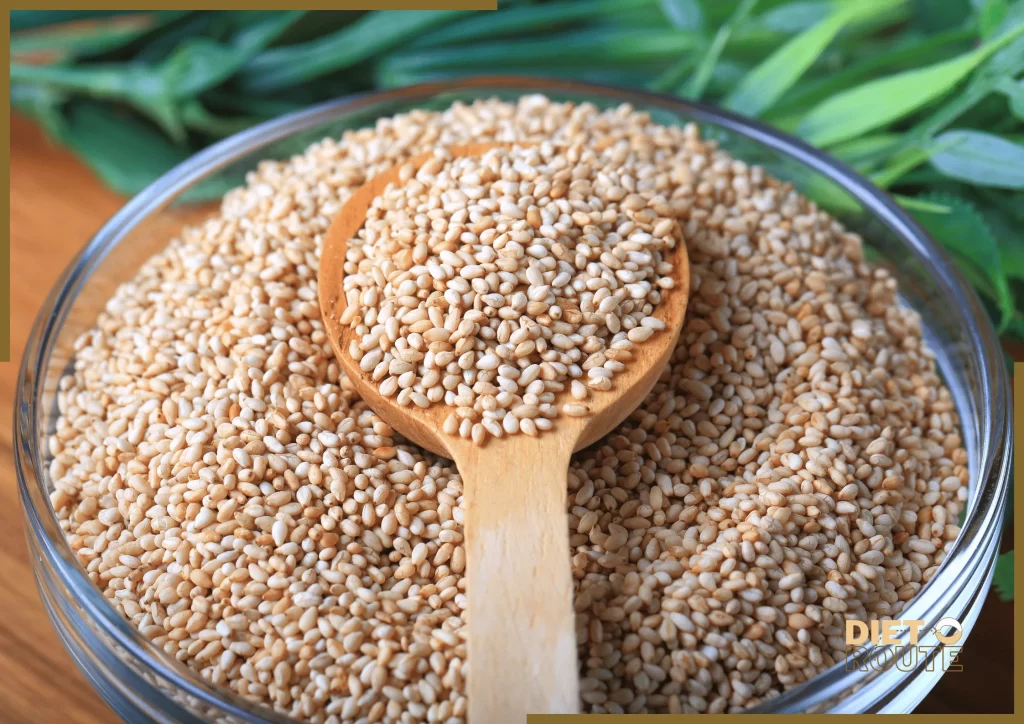
For centuries, sesame seeds have been a staple in many cuisines due to their unique nutty flavor. These seeds have various health benefits in addition to their culinary uses. This article provides a detailed analysis of the nutritional value. It includes a comprehensive table outlining their nutrients, a discussion of their advantages and disadvantages, answers to frequently asked questions, and a conclusion emphasizing the importance of including these seeds in a balanced diet.
Nutritional Value Approximately 100g
The values provided are approximate can vary depending on the size and ripeness.
| Nutrient | Amount | % Daily Value |
| Calories | 573 | 29% |
| Total Fat | 49.7 g | 76% |
| Saturated Fat | 7 g | 35% |
| Trans Fat | 0 g | – |
| Cholesterol | 0 mg | 0% |
| Sodium | 11 mg | 0% |
| Potassium | 468 mg | 13% |
| Total Carbohydrate | 23 g | 8% |
| Dietary Fiber | 17 g | 68% |
| Sugars | 0.3 g | – |
| Protein | 18 g | 36% |
| Vitamin C | 0 mg | 0% |
| Calcium | 975 mg | 98% |
| Iron | 14.6 mg | 81% |
| Magnesium | 351 mg | 88% |
| Phosphorus | 629 mg | 63% |
*Percent Daily Values (% DV) are based on a 2,000-calorie diet.

Pros
1.Sesame seeds are a nutrient-dense food source, rich in protein, fiber, healthy fats, and essential vitamins and minerals like vitamin B6, vitamin E, calcium, iron, magnesium, phosphorus, and potassium.
2. These seeds contain heart-healthy fats like monounsaturated and polyunsaturated fats that can aid in reducing cholesterol levels and promoting cardiovascular health.
3. These seeds are rich in antioxidants like sesamol and sesamin that can protect the body from oxidative stress and potentially reduce inflammation.
4. These seeds are a great source of calcium that is crucial for promoting strong and healthy bones and maintaining bone health.
5. These seeds are beneficial for digestive health as they contain high fiber content that helps in maintaining a healthy digestive system and regular bowel movements.
Cons
1.Sesame seeds possess allergenic properties that may trigger allergic reactions in certain individuals. To prevent any allergic reactions, it’s crucial to steer clear of sesame seeds or seek advice from a medical expert if you have a known allergy to them.
Frequently Asked Questions (FAQs)
1. What are sesame seeds?
2.What are the potential health advantages of consuming sesame seeds?
3. Do sesame seeds contain gluten?
4. What are some ways to include sesame seeds in your diet?
5. Do sesame seeds aid in weight loss?
6. Can sesame seeds cause allergic reactions?
7. What are the culinary applications of sesame seeds besides being used as a garnish?
8. What is the proper way to store sesame seeds?
9. Do sesame seeds have an expiration date?
10. What is the cultural and historical significance of sesame seeds?
In a Nut Shell
Sesame seeds have multiple benefits beyond being a delicious garnish for your preferred dishes. For centuries, these small seeds have been highly valued for their nutritional benefits and culinary applications. Incorporating these seeds into your meals not only enhances the taste but also provides a wealth of essential nutrients. Adding them to your diet can have a significant positive impact on your overall health and wellness. Enhance the flavor and reap the advantages by adding sesame seeds to your next dish!


Join the conversation