
Introduction
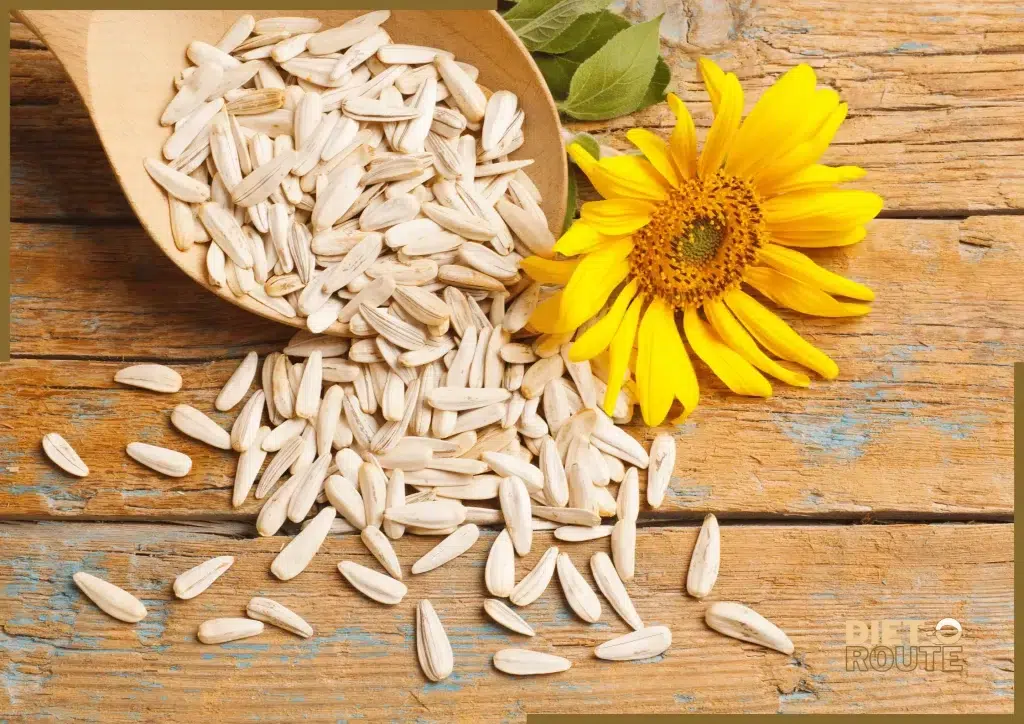
Sunflower seeds are a popular snack enjoyed for their nutty flavor and satisfying crunch. Not only do they make a delicious snack, but they also offer several nutritional benefits. In this comprehensive guide, we will explore the nutritional value of sunflower seeds, providing a detailed tabular breakdown of their nutrients, discussing their pros and cons, answering frequently asked questions, and highlighting their significance in a balanced diet.
Nutritional Value Approximately 100g
The values provided are approximate can vary depending on the size and ripeness.
| Nutrient | Amount | % Daily Value |
| Calories | 584 | 29% |
| Total Fat | 51.5 g | 79% |
| Saturated Fat | 4.5 g | 23% |
| Trans Fat | 0 g | – |
| Cholesterol | 0 mg | 0% |
| Sodium | 9 mg | 0% |
| Potassium | 645 mg | 18% |
| Total Carbohydrate | 20.9 g | 7% |
| Dietary Fiber | 8.6 g | 34% |
| Sugars | 2.6 g | – |
| Protein | 20.8 g | 42% |
| Vitamin C | 1.4 mg | 2% |
| Calcium | 78 mg | 8% |
| Iron | 5.25 mg | 29% |
| Magnesium | 325 mg | 81% |
| Phosphorus | 660 mg | 66% |
*Percent Daily Values (% DV) are based on a 2,000-calorie diet.

Pros
1.Sunflower seeds are a great source of essential nutrients such as healthy fats, protein, fiber, vitamins, and minerals.
2. Heart-healthy fats are beneficial for maintaining a healthy heart due to their optimal balance of monounsaturated and polyunsaturated fats.
3. They are a great source of vitamin E, which is an antioxidant that aids in protecting cells from harm caused by free radicals.
4. These seeds are a rich source of magnesium, a mineral that is essential for muscle and nerve function and bone health.
5. These seeds are an excellent source of plant-based protein, making them a valuable addition to vegetarian and vegan diets.
Cons
1. These seeds are a great source of nutrition, but it’s important to consume them in moderation due to their high calorie content to avoid excessive calorie intake.
2. If you experience any allergic reactions, it’s important to seek medical advice as some individuals may be allergic to sunflower seeds.
Frequently Asked Questions (FAQs)
1. Can individuals with nut allergies consume sunflower seeds?
2. Do sunflower seeds aid in weight control?
3. Are sunflower seeds cholesterol-free?
4. Is vitamin E adequately supplied by sunflower seeds?
5. Are sunflower seeds gluten-free?
6. Are omega-3 fatty acids present in sunflower seeds?
7. Is it safe to eat sunflower seeds while pregnant?
8. Do sunflower seeds have cholesterol-lowering properties?
9. What is the best way to store sunflower seeds for optimal freshness?
10. What are the possible side effects of eating sunflower seeds?
In a Nut Shell
Sunflower seeds are a great source of essential nutrients such as healthy fats, protein, fiber, vitamins, and minerals that can benefit your diet. These foods provide various health benefits, including promoting heart health, supplying antioxidants, and aiding in bone health. It is crucial to consume them in moderation because of their high calorie count. Sunflower seeds are a versatile and delicious snack that can be enjoyed on their own or added to salads, baked goods, or used as a topping for various dishes. Discover the health benefits of sunflower seeds and incorporate them into your diet for optimal nutrition!


Join the conversation