
Introduction
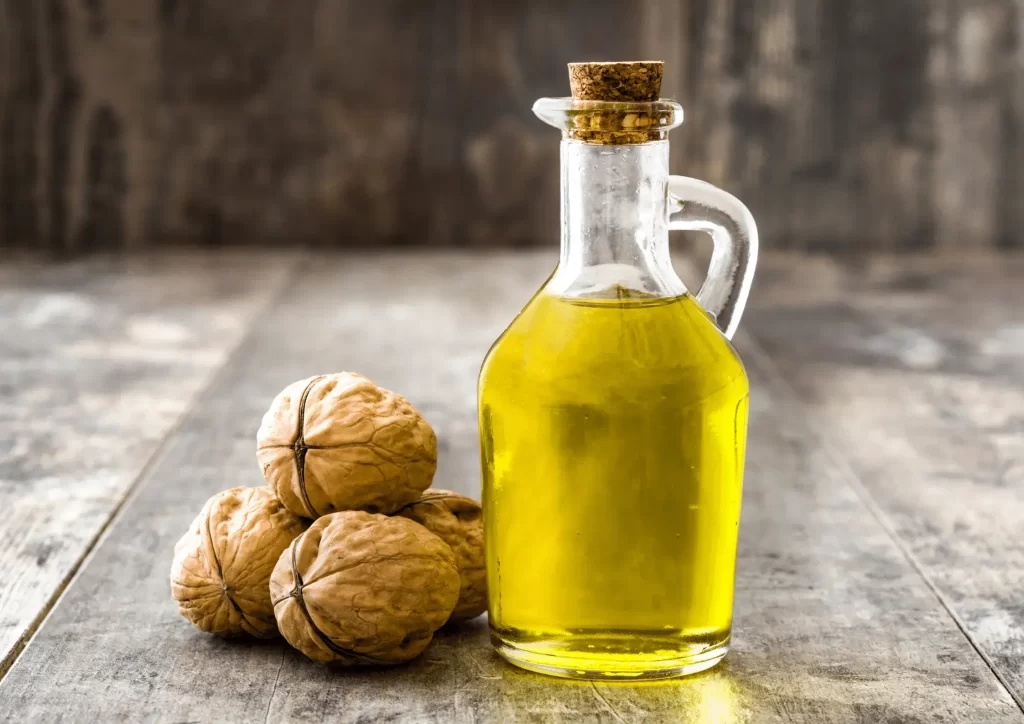
Edible walnut oil is derived from the nuts of the walnut tree and is renowned for its distinct flavor and potential health benefits. In this article, we will provide a comprehensive overview of its nutritional value, including a table showcasing its approximate composition per 100 grams. We will also explore the pros and cons, address frequently asked questions, and help you make informed decisions about incorporating it into your diet.
Nutritional Value Approximately 100g
| Nutrient | Amount Per Serving (1 tablespoon) | % Daily Value |
|---|---|---|
| Calories | 120 | 6% |
| Total Fat | 14g | 18% |
| – Saturated Fat | 1g | 5% |
| – Trans Fat | 0g | 0% |
| Monounsaturated Fat | 2g | |
| Polyunsaturated Fat | 11g | |
| Cholesterol | 0mg | 0% |
| Sodium | 0mg | 0% |
| Total Carbohydrates | 0g | 0% |
| – Dietary Fiber | 0g | 0% |
| – Sugars | 0g | |
| Protein | 0g | 0% |
| Vitamin E | 1.9mg | 13% |
Pros
- Heart-Healthy Fats: Edible walnut oil is a rich source of omega-3 fatty acids, which are beneficial for heart health and may help reduce inflammation.
- Nutrient-Rich: It contains vitamin E, an antioxidant that helps protect cells from damage, and other essential nutrients like magnesium and phosphorus.
- Unique Flavor: The distinctive nutty flavor of walnut oil adds a gourmet touch to salads, dressings, and baked goods.
- Potential Brain Benefits: Omega-3 fatty acids present in walnut oil have been associated with brain health and cognitive function.
Cons
- High Calorie Density: This oil is calorie-dense, so it should be used in moderation to avoid excessive calorie intake.
- Allergic Reactions: Some individuals may be allergic to walnuts or experience allergic reactions to walnut oil. Exercise caution if you have a nut allergy.
Frequently Asked Questions (FAQ)
1) Can walnut oil be used for cooking?
2) Is walnut oil suitable for individuals with nut allergies?
3) Does walnut oil require refrigeration?
4) Can walnut oil be used topically on the skin?
5) Does walnut oil contain cholesterol?
6) Can walnut oil help lower cholesterol levels?
7) Is this oil a good source of vitamin E?
8) Can walnut oil be used in baking?
9) Is walnut oil suitable for vegans and vegetarians?
10) Can walnut oil go bad?
Conclusion
Edible walnut oil offers a range of nutritional benefits, including heart-healthy fats, essential nutrients, and a distinct flavor profile. However, its high calorie density and the potential for allergic reactions should be considered. When used in moderation and as part of a balanced diet, this oil can be a flavorful addition to various dishes. Consult with a healthcare professional or a registered dietitian to determine the best way to incorporate it into your individual dietary needs and preferences.


I wanted to take a moment to express how much I loved going
through this article! You’ve shared such valuable and timely information, especially for those of us who are dedicated
about our health and well-being. It’s always refreshing to find content that not
only informs but also inspires healthier habits in such an straightforward way.
I’m definitely going to bookmark this and will be referencing your article on my own blog about nutrition and healthy living.
Thanks for your great work – your content
is helping people!